Halaman

Memaparkan catatan dengan label English article. Papar semua catatan

Selasa, 21 Februari 2012

About Cancer??


The Johns Hopkins University

1. Every person has cancer cells in the body. These cancer cells do not show up in the standard tests until they have multiplied to a few billion. When doctors tell cancer patients that there are no more cancer cells in their bodies after treatment, it just means the tests are unable to detect the cancer cells because they have not reached the detectable size.

2. Cancer cells occur between 6 to more than 10 times in a person's lifetime.

3. When the person's immune system is strong the cancer cells will be destroyed and prevented from multiplying and forming tumors.

4. When a person has cancer it indicates the person has multiple nutritional deficiencies. These could be due to genetic, environmental, food and lifestyle factors.

5. To overcome the multiple nutritional deficiencies, changing diet and including supplements will strengthen the immune system.

6. Chemotherapy involves poisoning the rapidly-growing cancer cells and also destroys rapidly-growing healthy cells in the bone marrow, gastro-intestinal tract etc, and can cause organ damage, like liver, kidneys, heart, lungs etc.

7. Radiation while destroying cancer cells also burns, scars and damages healthy cells, tissues and organs.

8. Initial treatment with chemotherapy and radiation will often reduce tumor size. However prolonged use of chemotherapy and radiation do not result in more tumor destruction.
9. When the body has too much toxic burden from chemotherapy and radiation the immune system is either compromised or destroyed, hence the person can succumb to various kinds of infections and complications.

10. Chemotherapy and radiation can cause cancer cells to mutate and become resistant and difficult to destroy. Surgery can also cause cancer cells to spread to other sites.

11. An effective way to battle cancer is to starve the cancer cells by not feeding it with the foods it needs to multiply.

CANCER CELLS FEED ON:

a. Sugar is a cancer-feeder. By cutting off sugar it cuts off one important food supply to the cancer cells. Sugar substitutes like NutraSweet, Equal,Spoonful, etc are made with Aspartame and it is harmful. A better natural substitute would be Manuka honey or molasses but only in very small amounts. Table salt has a chemical added to make it white in color. Better alternative is Bragg's aminos or sea salt.

b. Milk causes the body to produce mucus, especially in the gastro-intestinal tract. Cancer feeds on mucus. By cutting off milk and substituting with unsweetened soya milk cancer cells are being starved.

c. Cancer cells thrive in an acid environment. A meat-based diet is acidic and it is best to eat fish, and a little chicken rather than beef or pork. Meat also contains livestock antibiotics, growth hormones and parasites, which are all harmful, especially to people with cancer.
d. A diet made of 80% fresh vegetables and juice, whole grains,seeds, nuts and a little fruits help put the body into an alkaline environment.. About 20% can be from cooked food including beans. Fresh vegetable juices provide live enzymes that are easily absorbed and reach down to cellular levels within 15 minutes to nourish and enhance growth of healthy cells. To obtain live enzymes for building healthy cells try and drink fresh vegetable juice (most vegetables including bean sprouts)and eat some raw vegetables 2 or 3 times a day. Enzymes are destroyed at temperatures of 104 degrees F (40 degrees C).

e. Avoid coffee, tea, and chocolate, which have high caffeine.Green tea is a better alternative and has cancer-fighting properties. Water-best to drink purified water, or filtered, to avoid known toxins and heavy metals in tap water. Distilled water is acidic, avoid it.

12. Meat protein is difficult to digest and requires a lot of digestive enzymes. Undigested meat remaining in the intestines become putrified and leads to more toxic buildup.

13. Cancer cell walls have a tough protein covering. By refraining from or eating less meat it frees more enzymes to attack the protein walls of cancer cells and allows the body's killer cells to destroy the cancer cells.

14. Some supplements build up the immune system (IP6, Flor-ssence,Essiac, anti-oxidants, vitamins, minerals, EFAs etc.) to enable the body's own killer cells to destroy cancer cells. Other supplements like vitamin E are known to cause apoptosis, or programmed cell death, the body's normal method of disposing of damaged, unwanted, or unneeded cells.

15. Cancer is a disease of the mind, body, and spirit. A proactive and positive spirit will help the cancer warrior be a survivor Anger, unforgiveness and bitterness put the body into a stressful and acidic environment. Learn to have a loving and forgiving spirit. Learn to relax and enjoy life.

16. Cancer cells cannot thrive in an oxygenated environment. Exercising daily, and deep breathing help to get more oxygen down to the cellular level. Oxygen therapy is another means employed to destroy cancer cells

CANCER UPDATE FROM JOHN HOPKINS HOSPITAL , U S - PLEASE READ

1. No plastic containers in micro.
2. No water bottles in freezer.
3. No plastic wrap in microwave.

Johns Hopkins has recently sent this out in its newsletters. This information is being circulated at Walter Reed Army Medical Center as well.
Dioxin chemicals causes cancer, especially breast cancer.

Dioxins are highly poisonous to the cells of our bodies.
Don't freeze your plastic bottles with water in them as this releases dioxins from the plastic.
Recently, Dr.. Edward Fujimoto, Wellness Program Manager at Castle Hospital , was on a TV program to explain this health hazard. He talked about dioxins and how bad they are for us. He said that we should not be heating our food in the microwave using plastic containers.

This especially applies to foods that contain fat. He said that the combination of fat, high heat, and plastics releases dioxin into the food and ultimately into the cells of the body. Instead, he recommends using glass, such as Corning Ware, Pyrex or ceramic containers for heating food. You get the same results, only without the dioxin. So such things as TV dinners, instant ramen and soups, etc., should be removed from the container and heated in something else.

Paper isn't bad but you don't know what is in the paper. It's just safer to use tempered glass, Corning Ware, etc. He reminded us that a while ago some of the fast food restaurants moved away from the foam containers to paper. The dioxin problem is one of the reasons.
Also, he pointed out that plastic wrap, such as Saran, is just as dangerous when placed over foods to be cooked in the microwave. As the food is nuked, the high heat causes poisonous toxins to actually melt out of the plastic wrap and drip into the food. Cover food with a paper towel instead.


Sumber : 
http://anadinmu.blogspot.com/2011/06/about-cancer.html#more

Rabu, 27 Julai 2011

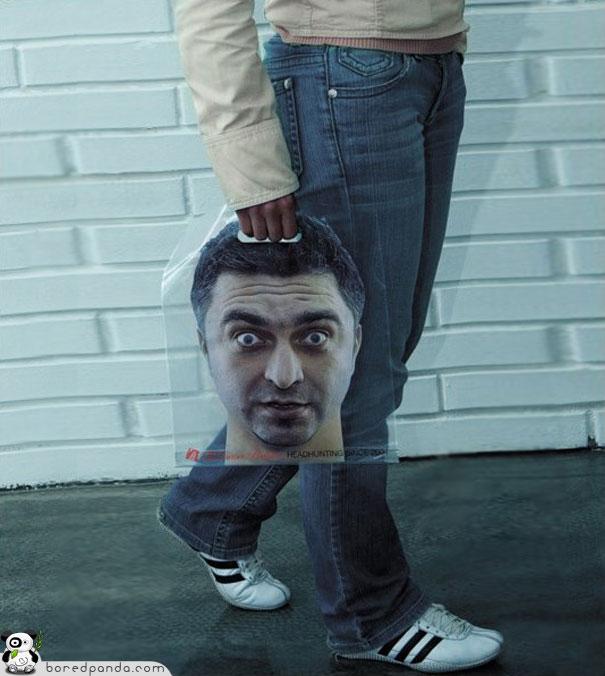
European Plastic Bags

They have a much better sense of humor than we do.


from forwarded email...


Selasa, 22 Mac 2011

Amazing Scanning Electron Microscope Photos.... Awesome!

(from forwarded email...)

All these pictures are from the book ' Microcosmos,' created by Brandon Brill from London. This book includes many scanning electron microscope (SEM) images of insects, human body parts and household items. These are the most amazing images of what is too small to see with the naked eye.

An ant, Formica fusca, holding a microchip


Surface of an Erasable Programmable Read-Only Memory silicon microchip (EPROM)


Eyelash hairs growing from the surface of human skin


Amazing Scanning Electron Microscope Photos.... Awesome!

Continue...

The surface of a strawberry

Bacteria on the surface of a human tongue

Human sperm (spermatozoa)

Nylon hooks and loops of Velcro

Household dust: includes long hairs of cat fur, twisted synthetic and woolen fibres,
serrated insect scales, a pollen grain, and plant and insect remains


Amazing Scanning Electron Microscope Photos.... Awesome!

Continue...


The weave of nylon stocking fibres


The head of a mosquito

Head louse clinging to a human hair

Eight eyes (two groups of four) on the head of a tarantula


Cut human hairs and shaving foam between two razor blades


Amazing Scanning Electron Microscope Photos.... Awesome!

(from forwarded email..)

All these pictures are from the book ' Microcosmos,' created by Brandon Brill from London. This book includes many scanning electron microscope (SEM) images of insects, human body parts and household items. These are the most amazing images of what is too small to see with the naked eye.

Cigarette paper the tobacco is rolled in


Corroded surface of a rusty nail


Mushrooms spores


Clutch of butterfly eggs on a raspberry plant


Calcium phosphate crystal


Rabu, 16 Februari 2011

Coke - The Recipe?

Did ‘This American Life’ discover Coke’s secret formula?
By Brett Michael Dykes
http://news.yahoo.com/s/yblog_thelookout/20110215/ts_yblog_thelookout/did-nprs-this-american-life-discover-cokes-secret-formula


One of the most closely guarded trade secrets in the history of commerce may be a secret no more: the radio show "This American Life" thinks it has found the exact recipe for the world's most popular soft drink in a 1979 newspaper article.

According to the show's host, Ira Glass, the drink's secret flavoring component, which was created by pharmacist John Pemberton in 1886, is something called "Merchandise 7X." The show's staff recently stumbled across the February 8, 1979 edition of the Atlanta Journal-Constitution, which published an article on page 28 about a leather-bound notebook that once belonged to Pemberton's best friend, another pharmacist in the Atlanta area named R. R. Evans. The notebook contained a number of pharmacological recipes--but the main entry, for students of commercial history, was what's believed to be the exact recipe for the soft drink: all of the ingredients listed with the exact amounts needed to whip up a batch.

The Journal-Constitution piece also featured a photo of the page in Evans' notebook detailing Coke recipe--essentially revealing the recipe to the world. But since 1979 well antedated the explosion of digital media, the photograph of the recipe didn't travel far beyond the Atlanta area.

Coke's recipe is one of the most closely guarded secrets in American commerce, steeped in cloak-and-dagger lore. After businessman Asa Griggs Candler bought out Pemberton--who also conjured up cough medicines and blood purifiers, among other things--in 1887 for $2,300, the exact recipe for 7X was placed in the vault in an Atlanta bank. It's been reported that only two company employees are privy to its ingredients and how they're mixed at any given time--and that those two aren't allowed to travel together out of fear that a traveling accident might take both of their lives.

According to company historian Mark Pendergrast, Candler was so paranoid about the recipe leaking out of his proprietary control that he would go through the company mail himself to prevent any employees from seeing invoices that might tip off its ingredients.

"It's this carefully passed-on secret ritual," Pendergrast told Glass, "and the formula is kept in a bank vault at Sun Trust, which used to be the Georgia Trust Company."

After Pendergrast reviewed the recipe in the 1979 newspaper photo, he concluded that it could well be the real deal: "I think that it certainly is a version of the formula," he said, adding, "It's very similar to a formula that I found" in one of John Pemberton's notebooks when he was doing research for the book. Coke, for its part, denies that the security of its secret formula has been breached. "Many third parties, including 'This American Life,' have tried to crack our secret formula," company spokeswoman Kerry Tressler said. "Try as they might, they've been unsuccessful." Coke's archive director Philip Mooney told "This American Life" that the recipe may well have been a "precursor" to the prized formula, but probably wasn't the version that "went to market."

So what's the secret to making Coke? Well, here's what was written in the notebook:

The recipe:

Fluid extract of Coca: 3 drams USP
Citric acid: 3 oz
Caffeine: 1 oz
Sugar: 30 (unclear quantity)
Water: 2.5 gal
Lime juice: 2 pints, 1 quart
Vanilla: 1 oz
Caramel: 1.5 oz or more for color

The secret 7X flavor (use 2 oz of flavor to 5 gals syrup):
Alcohol: 8 oz
Orange oil: 20 drops
Lemon oil: 30 drops
Nutmeg oil: 10 drops
Coriander: 5 drops
Neroli: 10 drops
Cinnamon: 10 drops

Pemberton had reportedly hit upon the formula for Coke in an attempt to overcome the addiction to morphine he contracted after the Civil War, so it's perhaps not surprising that, in addition to alcohol, the drink originally contained Coca leaves laced with cocaine. After Atlanta passed a local prohibition ordinance in the 1890s, the company took the booze out of the formula, and the company has used cocaine-free coca leaves since 1904.

When the beverage debuted in Atlanta-area pharmacies owned by friends of Pemberton, marketers pronounced it "a shot in the arm"-- while Pemberton himself hailed it as a cure for cure pain, impotence and headaches. In our more enlightened age, of course, we know that Coke "adds life"--together with a dollop or two of neroli and nutmeg oil.

CORRECTION: This post originally called "This American Life" "NPR's 'This American Life'." However, while the show does air on NPR, it is produced by Chicago Public Radio and distributed by Public Radio International.

(Photo: AP/Coca-Cola)

Selasa, 8 Februari 2011

Cancer Warning for Talcum Powder

Source : http://www.sihatselalu.com.my/2009/02/cancer-warning-for-talcum-powder.html


GEORGE TOWN, 17 Feb 2009 : Be careful the next time you sprinkle yourself with talcum powder or inhale it as it has been found to cause cancers and tumours, said the Consumers’ Association of Penang (CAP).

Magnesium silicate hydroxide, also commonly known as talc, is the main ingredient in baby, medicated and designer perfumed body powder.

CAP president S.M. Mohamed Idris said the latest findings from the United States suggested that women who used talcum powder were 40% more likely to suffer from ovarian cancer.

"Talc particles are capable of moving up the reproductive system and becoming embedded in the ovary lining. Researchers have found talc particles in ovarian tumour and they have also discovered that women with ovarian cancer used talcum powder on their genitals more frequently than healthy women," he told a press conference at the CAP headquarters here Tuesday.

He said that researchers from Harvard Medical School in Boston studied over 3,000 women and found that those using talcum once a week had a 36% chance of getting ovarian cancer, while those using talcum daily had a 41% chance.

Talcum, Mohamed Idris added, was also a health risk when exposed to the lungs as the puffy white cloud of powder ended up being inhaled by babies.

"Talc can cause the baby’s airways to swell and lead to pneumonia, and has been linked to asthma in children. Statistics show that several thousands infants die or become seriously ill each year due to inhalation of baby powder," he said.

He urged the Health Ministry to place a warning on products containing talc and to stop the marketing of baby powder containing talc.

"Consumers should revert to using the traditional ‘bedak sejuk,’ which is made of rice flour or powder made from corn flour," he added.

Source : The Star

Khamis, 27 Januari 2011

To All Engineers

From forwarded email....

To all engineer.....


Khamis, 7 Oktober 2010

Eyes to see....

From forwarded email...nice one..
A blind boy sat on the steps of a building with a hat by his feet. He held up a sign which said: "I am blind, please help." There were only a few coins in the hat.
A man was walking by. He took a few coins from his pocket and dropped them into the hat. He then took the sign, turned it around, and wrote some words. He put the sign back so that everyone who walked by would see the new words
Soon the hat began to fill up. A lot more people were giving money to the blind boy. That afternoon the man who had changed the sign came to see how things were. The boy recognized his footsteps and asked, "Were you the one who changed my sign this morning? What did yo u write?"
The man said, "I only wrote the truth. I said what you said but in a different way." I wrote: "Today is a beautiful day but I cannot see it." Both signs told people that the boy was blind. But the first sign simply said the boy was blind. The second sign told people that they were so lucky that they were not blind. Should we be surprised that the second sign was more effective?


Moral of the Story: Be thankful for what you have. Be creative. Be innovative. Think differently and positively. When life gives you 100 reasons to cry, show life that you have 1000 reasons to smile . Face your past without regret. Handle your present with confidence. Prepare for the future without fear. Keep the faith and drop the fear. The most beautiful thing is to see a person smiling. And even more beautiful is, knowing that you are the reason behind it!!!

Selasa, 22 Jun 2010

Test your Brain

kredit to www.amazingnara.com

Short Neurological Test

1- Find the C below.. Please do not use any cursor help.

OOOOOOOOOOOOOOOOOOOOOOOOOOOOOOO
OOOOOOOOOOOOOOOOOOOCOOOOOOOOOOO
OOOOOOOOOOOOOOOOOOOOOOOOOOOOOOO

2- If you already found the C, now find the 6 below.

99999999999999999999999999999999999999999999999
99999999999999999999999999999999999999999999999
99999999999999999999999999999999999999999999999
69999999999999999999999999999999999999999999999
99999999999999999999999999999999999999999999999
99999999999999999999999999999999999999999999999

3 – Now find the N below. It’s a little more difficult.

MMMMMMMMMMMMMMMMMMMMMMMMMMMMNMM
MMMMMMMMMMMMMMMMMMMMMMMMMMMMMMM

This is NOT a joke. If you were able to pass these 3 tests, you can cancel your annual visit to your neurologist. Your brain is great and you’re far from having a close relationship with Alzheimer.

Congratulations!

_______________________________________________________________________________
part 2
eonvrye that can raed this rsaie your hnad.

To my ’selected’ strange-minded friends:
If you can read the following paragraph, forward it on to your friends and the person that sent it to you with ‘yes’ in the subject line.

Only great minds can read this
This is weird, but interesting!

If you can raed this, you have a sgtrane mnid too

Can you raed this? Olny 55 plepoe out of 100 can.

I cdnuolt blveiee that I cluod aulaclty uesdnatnrd what I was rdanieg. The phaonmneal pweor of the hmuan mnid, aoccdrnig to a rscheearch at Cmabrigde Uinervtisy, it dseno’t mtaetr in what oerdr the ltteres in a word are, the olny iproamtnt tihng is that the frsit and last ltteer be in the rghit pclae. The rset can be a taotl mses and you can still raed it whotuit a pboerlm. This is bcuseae the huamn mnid deos not raed ervey lteter by istlef, but the word as a wlohe. Azanmig huh? Yaeh and I awlyas tghuhot slpeling was ipmorantt! If you can raed this forwrad it

Selasa, 1 Jun 2010

Is Soy HealThy?

SOURCE: http://www.healingdaily.com/detoxification-diet/soy.htm

Soy is not the health food that you think it is.
From tofu and tacos to baby formula and burgers, soy products have swept the nation as a healthy source of protein, with a reputation for being all natural and good for you. New studies have however raised questions over whether the ingredients in soy might increase the risk of breast cancer in some women, affect brain function in men and lead to hidden developmental ab-normalities in infants.

The core of their concerns rests with the chemical makeup of soy: in addition to all the nutrients and protein, soy contains a natural chemical that mimics estrogen, the female hormone. Some studies in animals show that this chemical can alter sexual development. And in fact, 2 glasses of soy milk/day, over the course of one month, contain enough of the chemical to change the timing of a woman’s menstrual cycle.

Isoflavones in soybeans
Soybeans contain an impressive array of phytochemicals (biologically active components derived from plants), the most interesting of which are known as isoflavones. Isoflavones are the compounds which are being studied in relation to the relief of certain menopausal symptoms, cancer prevention, slowing or reversing osteoporosis and reducing the risk of heart disease.

Soy critics point to the fact that soybeans, as provided by nature, are not suitable for human consumption. Only after fermentation for some time, or extensive processing, including chemical extractions and high temperatures, are the beans, or the soy protein isolate, suitable for digestion when eaten.

Soybeans also reportedly contain an anti-nutrient called "phytic acid", which all beans do. However, soybeans have higher levels of phytic acid than any other legume. Phytic acid may block the absorption of certain minerals, including magnesium, calcium, iron and zinc. Epidemiological studies have shown that people in 3rd World Countries who have high consumption of grains and soy also commonly have deficiencies in these minerals. It must also be noted that this may be of particular concern with regard to babies who are using soy-based infant formulas.

What is the truth when it comes to soy?
So how does one get to the truth when it comes to soy? Usually, the first question I ask is… "Where is the money? Who has something to be gained from one side or the other?" With the soy issue, there does not seem to be an easy answer here either… and that's because there appear to be strong financial incentives on both sides of the argument.

Who has something to gain from the consumption of soy? Perhaps companies like Monsanto which produce the genetically modified soybean seeds. Perhaps companies like Cargill Foods or SoyLife which produce countless soy-based foods. Or soybean councils in several states which represent farmers who grow this new, emerging bumper crop. And, of course, all of the companies which are constructing factories all over the world to do the processing which is necessary to make soybeans edible.

Soy - more negatives than positives
I feel the positive aspects of the soybean are overshadowed by their potential for harm. Soybeans in fact contain a large number of dangerous substances. We already mentionned "phytic acid", also called "phytates". This organic acid is present in the bran or hulls of all seeds and legumes, but none have the high level of phytates which soybeans do. Phytic acid blocks the body's uptake of essential minerals like magnesium, calcium, iron and especially zinc. Adding to the high phytate problem, soybeans are highly resistant to phytate-reducing techniques, such as long, slow cooking.

Soybeans also contain potent enzyme-inhibitors. These inhibitors block uptake of trypsin and other enzymes which the body needs for protein digestion. Normal cooking does not de-activate these harmful antinutrients, which can cause serious gastric distress, reduced protein digestion and can lead to chronic deficiencies in amino acid uptake.

In addition, soybeans also contain hemagglutinin, a clot-promoting substance which causes red blood cells to clump together. These clustered blood cells cannot properly absorb oxygen for distribution to the body's tissues, and are unable to help in maintaining good cardiac health.

Hemagglutinin and trypsin inhibitors are both "growth depressant" substances. Although the act of fermenting soybeans does de-activate both hemagglutinin and trypsin inhibitors, cooking and precipitation do not. Although these enzyme inhibitors are found in reduced levels within precipitated soy products like tofu, they are not completely eliminated. For this reason, if you are going to consume soy, I would recommend limiting your soy use to fermented products only, like tempeh or miso.

Only after a long period of fermentation (as ocurs in the creation of miso or tempeh) are the antinutrient and phytate levels of soybeans reduced, making their nourishment available to the human digestive system. The high level of harmful substances remaining in precipitated soy products leaves their nutritional value questionable at best, and potentially harmful.

Soy and hormonal balance
Just because tofu is of vegetable origin does not necessarily make it healthy.

Health-conscious Americans believe in the benefits of tofu, infant formula and other food products made from soybeans and soy extract. But their assumption is now being called into question by Jill Schneider, associate professor of biological sciences at Lehigh University in Bethlehem, Pennsylvania.

In a study of hamsters completed under Schneider's direction, it was recently found that a component of soy beans - isoflavones - significantly accelerated the onset of puberty in the rodents.

These findings, which are similar to the results reported by labs which have experimented with rats, might be relevant to humans, Schneider says. She points out that many babies who are allergic to cow's milk are fed soy-based formulas which contain isoflavones. Isoflavones, she says, can act like estrogen, a natural hormone important in the development of both male and female humans.

It is child abuse to feed a baby soy formula. A baby fed soy will receive, through the phytoestrogens, the equivalent of approximately 5 birth control pills per day! The damage is incalculable.

There are other reasons to stay away from soy
A very large percentage of soy - over 90% - is genetically modified and it also has one of the highest percentages contamination by pesticides of any of the foods we eat.

Soy processors have worked hard to get these anti-nutrients out of the finished product, particularly soy protein isolate (SPI) which is the key ingredient in most soy foods which imitate meat and dairy products, including baby formulas and some brands of soy milk.

SPI is not something you can make in your own kitchen. Production takes place in industrial factories where soybeans are first mixed with an alkaline solution to remove fiber, then precipitated and separated using an acid wash and, finally, neutralized in an alkaline solution.

Acid washing in aluminum tanks leaches high levels of aluminum into the final product. As a result, soy-based formula also has over 1000% more aluminum than conventional milk based formulas. Breast milk is best, but if one, for whatever reason, cannot breast feed, then Carnation Good Start until six months and Carnation FollowUp after that seem to be the best commercial formula currently available. The milk protein is hydrolyzed 80% which tends to significantly decrease its allergenicity.
Finally, the resulting curds are spray-dried at high temperatures to produce a high-protein powder. A final hardship to the original soybean is high-temperature, high-pressure extrusion processing of soy protein isolate to produce textured vegetable protein.

Nitrites, which are potent carcinogens, are formed during spray-drying, and a toxin called "lysinoalanine" is formed during alkaline processing.(1) Numerous artificial flavorings, particularly MSG, are added to soy protein isolate and textured vegetable protein products to mask their strong "beany" taste and to impart the flavor of meat.(2)

Yet soy protein isolate and textured vegetable protein are used extensively in school lunch programs, commercial baked goods, fast food products and diet beverages. They are heavily promoted in 3rd world countries and form the basis of many food giveaway programs.

Marketing and soy
All soybean producers pay a mandatory assessment of 0.5% to 1% of the net market price of soybeans. The total - something like US $80 million annually(3) - supports United Soybean's program to "strengthen the position of soybeans in the marketplace and maintain and expand domestic and foreign markets for uses for soybeans and soybean products".

State soybean councils from Maryland, Nebraska, Delaware, Arkansas, Virginia, North Dakota and Michigan provide another $2.5 million for "research".(4) Private companies like Archer Daniels Midland also contribute their share. ADM spent $4.7 million for advertising on the TV shor "Meet the Press" and $4.3 million on "Face the Nation" during the course of a year.(5)

Public relations firms help convert research projects into advertising copy and newspaper articles, and law firms lobby for favorable government regulations. IMF money funds soy-processing plants in foreign countries, and free-trade policies keep soybean abundance flowing to overseas destinations.

Soy milk has posted the biggest gains, soaring from $2 million in 1980 to $300 million in the US in 2001.(6) Recent advances in processing have transformed the bitter, gray, beany-tasting Asian beverage into a product that Western consumers will accept - one that tastes like a milkshake, but without the guilt.

What about soy offering protection against cancer?
Some sources claim that "soy has demonstrated powerful anticancer benefits...the Japanese, who eat 30 times as much soy as North Americans, have a lower incidence of cancers of the breast, uterus and prostate."(7)

Indeed they do. But the Japanese, and Asians in general, have much higher rates of other types of cancer, particularly cancer of the esophagus, stomach, liver and pancreas.(8) Asians throughout the world also have high rates of thyroid cancer.(9) The logic which links low rates of reproductive cancers to soy consumption requires attribution of high rates of thyroid and digestive cancers to the same foods, particularly as soy causes these types of cancers in laboratory rats.

In 1991, Japanese researchers reported that consumption of as little as 30 grams or 2 tablespoons of soybeans/day for only 1 month resulted in a significant increase in thyroid-stimulating hormone.(10) Diffuse goiter and hypothyroidism appeared in some of the subjects and many complained of constipation, lethargy and fatigue, even though their intake of iodine was adequate.

25 grams of soy protein isolate, the minimum amount claimed to have cholesterol-lowering effects, contains from 50 to 70 mg of isoflavones. It took only 45 mg of isoflavones in pre-menopausal women to exert significant biological effects, including a reduction in hormones needed for adequate thyroid function. These effects lingered for 3 months after soy consumption was discontinued.(11)

In 1992, the Swiss health service estimated that 100 grams of soy protein provided the estrogenic equivalent of the Pill.(12)

Soy formula: Birth control pills for infants
But it is the isoflavones in infant formula which give the most cause for concern. In 1998, investigators reported that the daily exposure of infants to isoflavones in soy infant formula is 6 to 11 times higher on a body-weight basis than the dose that has hormonal effects in adults consuming soy foods. Circulating concentrations of isoflavones in infants who were fed soy-based formula were 13,000 to 22,000 times higher than plasma estradiol concentrations in infants on cow's milk formula.(13)

Approximately 25% of bottle-fed children in the US receive soy-based formula - a much higher percentage than in other parts of the Western world. It is estimated that an infant exclusively fed soy formula receives the estrogen equivalent (based on body weight) of at least 5 birth control pills per day.(14) By contrast, almost no phytoestrogens have been detected in dairy-based infant formula or in human milk, even when the mother consumes soy products


References:(1). Rackis, et al., ibid., p. 22; "Evaluation of the Health Aspects of Soy Protein Isolates as Food Ingredients", prepared for FDA by Life Sciences Research Office, Federation of American Societies for Experimental Biology (9650 Rockville Pike, Bethesda, MD 20014), USA, Contract No. FDA 223-75-2004, 1979.
(2). See www/truthinlabeling.org.
(3). See www/unitedsoybean.org.
(4). These are listed in www.soyonlineservice.co.nz.
(5). Wall Street Journal, October 27, 1995.
(6). Urquhart, John, "A Health Food Hits Big Time", Wall Street Journal, August 3, 1999, p. B1
(7). Natural Medicine News (L & H Vitamins, 32-33 47th Avenue, Long Island City, NY 11101), USA, January/February 2000, p. 8.(8). Harras, Angela (ed.), Cancer Rates and Risks, National Institutes of Health, National Cancer Institute, 1996, 4th edition. (9). Searle, Charles E. (ed.), Chemical Carcinogens, ACS Monograph 173, American Chemical Society, Washington, DC, 1976.
(10). Ishizuki, Y. et al., "The effects on the thyroid gland of soybeans administered experimentally in healthy subjects", Nippon Naibunpi Gakkai Zasshi (1991) 767:622-629.
(11). Cassidy, A. et al., "Biological Effects of a Diet of Soy Protein Rich in Isoflavones on the Menstrual Cycle of Premenopausal Women", American Journal of Clinical Nutrition (1994) 60:333-340.
(12). Bulletin de L'Office Fédéral de la Santé Publique, no. 28, July 20, 1992.
(13). Setchell, K.D. et al., "Isoflavone content of infant formulas and the metabolic fate of these early phytoestrogens in early life", American Journal of Clinical Nutrition, December 1998 Supplement, 1453S-1461S.
(14). Irvine, C. et al., "The Potential Adverse Effects of Soybean Phytoestrogens in Infant Feeding", New Zealand Medical Journal May 24, 1995, p. 318.

.


Selasa, 25 Mei 2010

Benefits of Honey in Weight Loss


source: http://www.organicfacts.net/health-benefits/animal-product/benefits-of-honey-in-weight-loss.html

The benefits of honey can be seen in your weight loss program as well. If you are trying to lose weight, honey can be of great help to you. But before we move on to the benefits of honey in weight loss we should address the concerns people have regarding honey.

Many people ask: Isn't honey a type of sugar? Does it not add any weight? Won't the calories in honey negate your weight loss efforts?

You are right - honey contains sugar. But unlike refined sugar, honey contains vitamins and minerals too. Normally, to digest sugar, the vitamins and minerals stored in body are utilized, rendering the body devoid of these nutrients. These nutrients are essential to dissolve fats and cholesterol. Thus when you eat too much sugar, you tend to increase weight not just because of the calories, but due to lack of vitamins and minerals. On the contrary, honey being a good source of nutrients, helps you in reducing weight.

Honey and warm water: Normally fat remains as an un-used resource in your body adding bulk and weight. It is believed that honey mobilizes this stored fat. When this fat is burnt to provide energy for your daily activities, you see a gradual decrease in your weight and obesity levels. It is suggested that you drink this honey (about one tablespoon daily), with equal amount of warm water.

Honey and lemon juice: Honey can also help in weight loss, when consumed with warm water and lemon juice. Many people drink this formula, first thing in the morning to reduce their weight.

Honey and cinnamon: Another useful recipe is cinnamon powder with honey and warm water. Take one tablespoon of cinnamon power, one tablespoon of honey and one cup of warm water, mix the ingredients properly and drink this mixture empty stomach. It is not clear how this mixture helps in weight loss; however, many people claim to have derived benefits from its regular consumption.

Honey also improves your digestion and helps in weight loss. Hence honey is also consumed after dinner after overeating.

Finally, many people stop eating food to reduce their weight. Beware of such practices. If you don't eat sufficient food (which involves calories, vitamin, minerals, fibers) your immune system will become weak. Your weight loss program should focus on reducing the intake of calories and not stopping the intake of calories. Further, you should also increase the daily expense of calories by regular exercise.

Source of Photos: PhotoXpress (weight loss) and 00dann (cinnamon)

Rabu, 9 Disember 2009

Hand Sanitizer Dangers

gambar hiasan

http://safety.lovetoknow.com/Hand_Sanitizer_Dangers

Instant hand sanitizers have been heralded as wonderfully convenient, antiseptic products, but in fact there are several hand sanitizer dangers that users should be aware of to avoid potential risks

Hand Sanitizer Safety

Used according to the manufacturer’s instructions, instant hand sanitizers safely and effectively destroy the majority of bacteria and viruses that can cause illnesses. It is critical to remember, however, that instant sanitizers are potently toxic chemicals (which is necessary to kill the germs), and if used improperly, they can be dangerous.

Types of Hand Sanitizer Dangers

Hand sanitizer users need to be aware of several potential dangers when using the product. By understanding these dangers and how to avoid them, accidents and injuries can easily be avoided.

Poisoning
The most familiar danger is hand sanitizer poisoning, particularly for young children who are attracted to the fun scents and bright colors of many sanitizers. Most sanitizers contain 60 percent to 90 percent alcohol (commonly ethyl or isopropyl alcohol) -- a stronger concentration than most hard liquors. Even a small dose can be dangerous if ingested, leading to dizziness, slurred speech, headaches, and even brain damage or fatalities in extreme cases.

To avoid poisoning dangers:

Avoid using instant sanitizers whenever possible; opt for regular hand washing instead.
Use only a dime-sized amount of sanitizer; too much liquid may not evaporate quickly and could be licked off fingers or palms.
Supervise children while using sanitizers to ensure they rub their hands until completely dry.
Use a foaming formula that will dry more quickly.
Keep sanitizer bottles out of reach of children just as you would any cleaning chemical.
Encourage teachers to use baby wipes instead of instant sanitizers.
Discourage fingernail biting and other habits that bring hands into contact with the mouth or lips. Keep the poison control phone number available in case of accidental ingestion

Improper Use
Improper use of hand sanitizers is dangerous for several reasons. Used poorly, sanitizers can aggravate existing cuts or scrapes and cause burning, itching, or rashes. Ineffective use can also leave hands still dirty even after using the sanitizer.

To avoid the effects of improper use:

Avoid using sanitizers on open wounds including paper cuts or hangnails.
Use the proper amount of sanitizer (generally a dime-sized spot, though more may be necessary for larger hands) and rub it thoroughly over the entire surface of the hands, including fingertips and the base of the wrist.
If hands are visibly dirty or there is dirt under the fingernails, instant sanitizers will not be effective and regular hand washing with soap is required.


Forming Habits
The very convenience of hand sanitizing gels can be dangerous. As people become accustomed to using instant products, they tend to avoid bothering with the more cumbersome process of washing hands with soap and water. If this habit persists, individuals may consistently have unclean hands and could potentially spread germs or contract illnesses through contact with bacteria or viruses.

To avoid hand sanitizer dangers from bad habits:

Only use instant sanitizers when it is not possible to wash hands conventionally.
Buy only small bottles of sanitizers to limit use.
Use instant products only on the hands and not on other parts of the body.


Fire
One of the least common yet still potentially dangerous properties of instant sanitizers is that they are highly flammable due to their high alcoholic content. A small amount of sanitizer can, if ignited, burn very hot very quickly, leading to personal injury or property damage.

To avoid the fire hazards of sanitizers:

Do not store sanitizers in a hot car.
Keep sanitizer bottles away from heat sources such as incandescent light bulbs, heaters, or bright, direct sunlight.
If using instant sanitizers while cooking or grilling, be sure hands are completely dry before approaching the heat source.
Alternative Ways to Keep Hands Clean
The best way to avoid all hand sanitizer dangers is to simply avoid using these alcoholic-based products for personal cleanliness needs.

Washing
Soap and water remains the best way to clean hands to eliminate dirt, germs, and other harmful substances.

Knowing how to properly wash your hands can eliminate the need for any instant products.

Use warm water; for children, test the water temperature to be sure it is not too hot.
Use soap and work it into a thick lather. Both regular and anti-bacterial soaps are equally effective.
Rub hands with lather for 15 to 20 seconds covering every surface, including fingertips, beneath the nails, and the base of the wrists.
Rinse hands thoroughly.
Dry hands with a towel; use that towel to turn off the faucet to avoid coming into contact with more germs.


Avoiding Contact
Avoiding contact with surfaces that may be contaminated with germs is another great way to stay clean and healthy without the risk of hand sanitizer dangers. Use a tissue, handkerchief, or sleeve to open handles and or door knobs, and clean potentially contaminated surfaces with disposable antibacterial wipes. When coughing or sneezing, use a tissue, handkerchief, or the crook of your arm rather than coughing directly into your hands. Be sure to wash hands frequently throughout the day as an added precaution.

Non-Alcoholic Products
Individuals who want the convenience of instant sanitizers without the inherent risks of products with a high alcoholic content can opt for non-alcoholic formulas. Claims of their effectiveness vary widely, and even though they may not be as reliable as the alcohol-based gels, using any instant product is preferable to not washing your hands at all.

Final Thought
Despite their effectiveness and convenience, there are many hand sanitizer dangers users should be aware of to protect themselves from potential risks. The key, however, is to remember that when used properly, these products are safe and can be very effective at eliminating germs and bacteria.

LinkWithin

Related Posts with Thumbnails